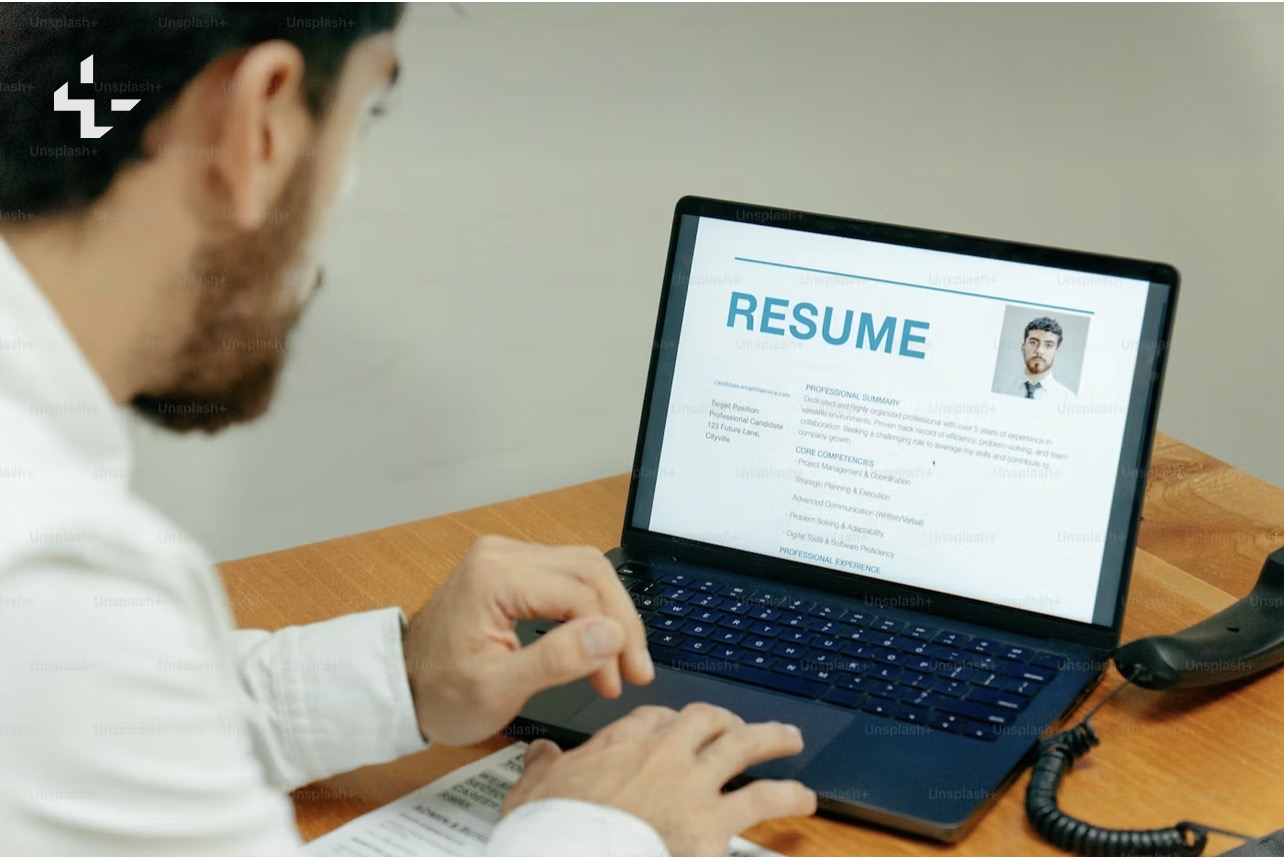
Introduction: Landing a job abroad begins long before your interview. In fact, your journey often starts with a single document—your CV.
Think of your CV as your personal marketing tool. It introduces you to employers, showcases your qualifications, and determines whether you’ll move to the next stage of the hiring process. A strong CV can open doors to exciting international opportunities, while a poorly written one may never make it past the first screening.
The challenge is that many job seekers use the same CV for every application. They simply change the company name and hope for the best. Unfortunately, this approach rarely works in today’s competitive global job market.
Employers in Canada, Australia, the United Kingdom, Germany, Ireland, New Zealand, and many other countries increasingly rely on Applicant Tracking Systems (ATS) to filter applications before a recruiter even sees them. That means your CV needs to appeal to both technology and human recruiters.
In this guide, you’ll learn how to create a professional CV that meets international standards, passes ATS screening, and highlights the qualities employers are looking for in 2026.
Why Your CV for International Job Application Matters More Than Ever
Global recruitment has become more competitive than ever. Companies now receive applications from candidates across multiple countries, giving employers a larger talent pool to choose from.
Because of this, recruiters often spend only a few seconds scanning each CV before deciding whether to continue reading.
A well-structured CV helps you:
- Make an excellent first impression.
- Demonstrate professionalism.
- Highlight your most relevant skills.
- Pass ATS software screening.
- Increase your chances of getting interview invitations.
Your CV isn’t just a summary of your experience—it’s your opportunity to convince an employer that you’re worth interviewing.
What Is a CV for an International Job Application?
An international CV is a professional document designed to present your qualifications in a format that aligns with global recruitment standards.
Unlike some local CVs that may include unnecessary personal details, international employers typically prefer documents that focus on your qualifications, achievements, and professional experience.
A modern international CV usually includes:
- Contact information
- Professional summary
- Work experience
- Education
- Skills
- Certifications
- Languages
- Professional achievements
- References (if requested)
Keeping the content relevant and concise makes it easier for recruiters to identify your strengths quickly.
CV vs Resume: What’s the Difference?
Many people use the terms “CV” and “resume” interchangeably, but they aren’t always the same.
| Feature | CV | Resume |
| Length | 1–2 pages (sometimes longer in academia) | Usually 1 page |
| Purpose | Detailed career history | Brief overview of qualifications |
| Common Use | Europe, Africa, Asia, UK | United States and Canada (many industries) |
| Includes | Education, work history, certifications, skills | Only the most relevant experience |
| Customization | Tailored for each job | Also tailored but generally shorter |
For most international job applications outside academia, employers are primarily interested in a concise, well-organized document that highlights your suitability for the role.
What Employers Abroad Want to See on Your CV for International Job Application
Recruiters don’t expect candidates to know everything, but they do expect professionalism.
When reviewing applications, employers often look for:
- Relevant work experience.
- Measurable achievements.
- Strong communication skills.
- Adaptability.
- Problem-solving ability.
- Technical skills related to the role.
- Clear career progression.
- Attention to detail.
Rather than simply listing job responsibilities, show the impact you’ve made in previous roles.
For example:
❌ Managed customer service.
✅ Resolved over 50 customer inquiries daily while maintaining a 96% customer satisfaction rating.
Numbers help employers understand your contribution.
Choose the Right CV Format for International Job Application
Selecting the correct format makes your CV easier to read and improves your chances of passing ATS software.
The three most common formats include:
1. Reverse Chronological CV
This is the preferred format for most employers.
It lists your most recent experience first before moving backward.
Best for:
- Experienced professionals.
- Candidates with steady employment history.
- Most overseas job applications.
2. Functional CV
This format emphasizes skills instead of employment history.
Best for:
- Career changers.
- Fresh graduates.
- Applicants with employment gaps.
However, many recruiters still prefer chronological CVs.
3. Combination CV
This format blends work experience with skills.
Best for:
- Professionals with specialized expertise.
- Candidates applying for technical positions.
For most job seekers, the reverse chronological format remains the safest option.
How to Structure Your CV for International Job Application
A clear structure helps recruiters find information quickly.
Your CV should follow this order:
- Contact Information
- Professional Summary
- Work Experience
- Education
- Skills
- Certifications
- Languages
- Awards or Achievements
- References (if required)
Avoid rearranging sections randomly, as consistency improves readability.
Start with Professional Contact Information
The top of your CV should contain only essential details.
Include:
- Full name
- Professional email address
- Mobile number (with country code)
- Country of residence
- LinkedIn profile (optional)
- Portfolio or personal website (if relevant)
Avoid including:
- Religion
- Marital status
- Date of birth (unless specifically requested)
- National ID numbers
- Passport details
- Political affiliation
Many employers actively discourage unnecessary personal information to support fair hiring practices.
Write a Strong Professional Summary
Your professional summary is one of the first sections recruiters read.
Keep it between three and five sentences.
Focus on:
- Years of experience.
- Key skills.
- Major achievements.
- Career goals.
Example
Results-driven Mechanical Engineer with over five years of experience in industrial maintenance and manufacturing. Skilled in preventive maintenance, process optimization, and equipment reliability. Seeking an opportunity to contribute technical expertise to an international organization committed to operational excellence.
Avoid generic statements such as:
I am hardworking and looking for a challenging opportunity.
Specific summaries are far more convincing.
Showcase Your Work Experience Effectively
This section carries the most weight.
For every position, include:
- Job title
- Company name
- Location
- Employment dates
- Key achievements
Instead of writing long paragraphs, use bullet points.
Example:
Warehouse Supervisor
ABC Logistics Limited
January 2022 – Present
- Supervised a team of 18 warehouse staff.
- Reduced inventory errors by 25%.
- Improved delivery accuracy through workflow optimization.
- Trained new employees on warehouse safety procedures.
- Coordinated daily shipping schedules.
Employers appreciate measurable achievements more than vague descriptions.
Use Keywords to Pass Applicant Tracking Systems (ATS)
Many companies use ATS software to screen applications before they reach recruiters.
If your CV lacks relevant keywords, it may never be seen by a hiring manager.
To improve your chances:
- Read the job description carefully.
- Identify recurring skills and qualifications.
- Use those terms naturally throughout your CV.
- Avoid keyword stuffing.
For example, if a vacancy repeatedly mentions:
- Project Management
- AutoCAD
- Inventory Management
- Customer Service
Include these terms where they accurately reflect your experience.
To understand how ATS works and how employers use standardized occupation keywords, explore the O*NET Online database:
This resource provides detailed descriptions of occupations, skills, and competencies that can help you align your CV with industry expectations.
Keep Your Formatting Clean and Professional
Recruiters value readability.
Use:
- Font size 10–12.
- Professional fonts such as Calibri, Arial, or Helvetica.
- Consistent spacing.
- Clear section headings.
- Bullet points instead of lengthy paragraphs.
- Adequate white space.
Avoid:
- Bright colours.
- Fancy graphics.
- Tables with excessive formatting.
- Decorative borders.
- Multiple font styles.
Unless you’re applying for a creative design role, simplicity is your strongest asset.
Tailor Every CV for the Job You’re Applying For
One of the biggest mistakes applicants make is sending the same CV to dozens of employers.
Instead:
- Read the vacancy carefully.
- Match your skills to the employer’s requirements.
- Rearrange achievements to highlight the most relevant experience.
- Update your professional summary for each application.
Many employers clearly outline the qualifications they expect. Reviewing guidance from the Europass CV platform can help you understand how employers across Europe expect candidates to present their qualifications.
Tailoring your CV demonstrates genuine interest and significantly improves your chances of progressing to the interview stage.
Complete the Education Section of Your CV for International Job Application
The education section is one of the first areas employers check, especially if you’re applying for graduate roles or positions that require specific qualifications.
Present your qualifications in reverse chronological order, beginning with the most recent.
Include:
- Degree or qualification
- Institution name
- Country
- Graduation year
- Relevant coursework (if applicable)
- Academic achievements (optional)
Example
Bachelor of Science (B.Sc.) in Computer Science
University of Lagos, Nigeria
Graduated: 2024
If you’re a recent graduate with limited work experience, your education section can appear before your employment history.
Highlight the Right Skills on Your CV for International Job Application
Many applicants make the mistake of listing every skill they can think of. Instead, focus on skills that are directly relevant to the position.
Recruiters generally look for two categories of skills.
Technical (Hard) Skills
Examples include:
- Microsoft Excel
- AutoCAD
- Python
- Java
- Data Analysis
- Digital Marketing
- SQL
- Graphic Design
- Project Management
- Welding
- Electrical Installation
Soft Skills
These demonstrate how you work with others.
Examples include:
- Communication
- Leadership
- Teamwork
- Problem-solving
- Time management
- Adaptability
- Critical thinking
- Customer service
- Conflict resolution
Choose skills you can genuinely demonstrate during an interview.
Add Professional Certifications
Certifications show employers that you’re committed to continuous learning.
Depending on your industry, consider including:
- Google Career Certificates
- AWS Certifications
- Cisco Certifications
- PMP
- PRINCE2
- CompTIA
- IELTS or English proficiency results (if requested)
- First Aid Certification
- Health and Safety Training
Always include:
- Certificate name
- Awarding organization
- Year obtained
Include Language Proficiency
Speaking multiple languages is a major advantage when applying internationally.
List each language along with your proficiency level.
Example:
- English — Fluent
- French — Intermediate
- German — Basic
Be honest about your ability. Employers may assess your language skills during interviews.
Should You Include References?
In most countries, references are no longer included directly on the CV unless requested.
Instead, simply write:
References available upon request.
If the employer specifically requests referees, provide:
- Full name
- Position
- Organization
- Phone number
Always ask for permission before listing someone as a referee.
Tailor Your CV for Different Countries
Although international CVs follow similar principles, some countries have unique preferences.
| Country | Preferred CV Length | Special Notes |
| Canada | 1–2 pages | Focus on achievements; avoid unnecessary personal details. |
| United Kingdom | 2 pages | Keep the format clean and professional. |
| Australia | 2–3 pages | Highlight measurable accomplishments. |
| Germany | 2 pages | Some employers may request supporting documents with the application. |
| Ireland | 2 pages | Emphasize relevant experience and skills. |
| New Zealand | 2–3 pages | Showcase practical experience and transferable skills. |
Always read the job advertisement carefully because employer expectations can vary.
Write Achievement-Based Bullet Points
One of the easiest ways to strengthen your CV is by replacing responsibility-based statements with achievement-based ones.
Instead of writing:
- Managed customer support.
- Assisted clients.
- Worked in sales.
Write:
- Increased customer satisfaction scores by 18% within one year.
- Processed over 120 customer inquiries weekly with a 98% resolution rate.
- Exceeded monthly sales targets by 25% for six consecutive months.
Whenever possible, quantify your impact using numbers.
Common CV Mistakes That Reduce Your Chances
Even highly qualified candidates lose opportunities because of simple errors.
Avoid these common mistakes:
- Using an unprofessional email address.
- Including spelling or grammar mistakes.
- Writing long paragraphs.
- Listing irrelevant work experience.
- Using outdated fonts or excessive formatting.
- Sending the same CV to every employer.
- Including inaccurate information.
- Leaving unexplained employment gaps.
- Using generic career objectives.
- Forgetting to update contact information.
Proofreading your CV carefully before submission can make a significant difference.
Professional Summary
Experienced Mechanical Engineer with five years of experience in manufacturing and industrial maintenance. Skilled in preventive maintenance, equipment diagnostics, and production optimization. Seeking an opportunity to contribute technical expertise within an international organization offering long-term career growth.
Professional Experience
Mechanical Engineer
ABC Manufacturing Ltd.
2021 – Present
- Reduced equipment downtime by 22%.
- Led maintenance projects across three production lines.
- Improved operational efficiency through preventive maintenance planning.
- Supervised junior technicians.
Education
Bachelor of Engineering (Mechanical Engineering)
University of Benin
2020
Skills
- AutoCAD
- Preventive Maintenance
- Lean Manufacturing
- Project Management
- Microsoft Office
Certifications
- AutoCAD Professional Certificate
- Occupational Health and Safety
Languages
- English – Fluent
- French – Intermediate
Final Checklist Before Sending Your CV
Before clicking “Submit,” go through this checklist:
✔ Tailored to the specific job.
✔ ATS-friendly format.
✔ No spelling or grammar errors.
✔ Professional email address.
✔ Clear headings.
✔ Reverse chronological order.
✔ Quantified achievements.
✔ Updated contact information.
✔ Saved as PDF unless instructed otherwise.
✔ File name is professional (e.g., John_Doe_CV.pdf).
Taking five extra minutes to review your CV can prevent mistakes that cost you interview opportunities.
Frequently Asked Questions (FAQ)
How long should a CV for an international job application be?
For most industries, one to two pages is ideal. Professionals with extensive experience may require slightly more space, but unnecessary information should always be avoided.
Should I include a photograph on my CV?
Only if the employer or country specifically requests one. In many countries, particularly Canada, the United Kingdom, and the United States, photos are generally not expected for most professional roles.
Can I use the same CV for every job application?
It’s better to tailor your CV for each role. Matching your experience and skills to the job description improves your chances of passing ATS screening and attracting the recruiter’s attention.
What file format should I use?
PDF is usually the safest option because it preserves formatting across different devices. However, always follow the employer’s instructions if a different format is requested.
How important are keywords in an international CV?
Very important. Many employers use Applicant Tracking Systems (ATS) to filter applications. Including relevant keywords from the job description naturally throughout your CV can improve your chances of being shortlisted.
Conclusion: Your CV Is Your Passport to International Opportunities
A well-crafted CV does more than summarize your work history—it tells your professional story in a way that captures an employer’s attention. As competition for international jobs continues to grow in 2026, taking the time to create a clear, tailored, and achievement-focused CV can set you apart from other applicants.
Remember, there’s no single CV that fits every opportunity. Adapt your document for each application, highlight your most relevant skills and accomplishments, and ensure it reflects the expectations of the country and employer you’re applying to.
With careful preparation and attention to detail, your CV can become a powerful tool that opens doors to exciting career opportunities around the world.