
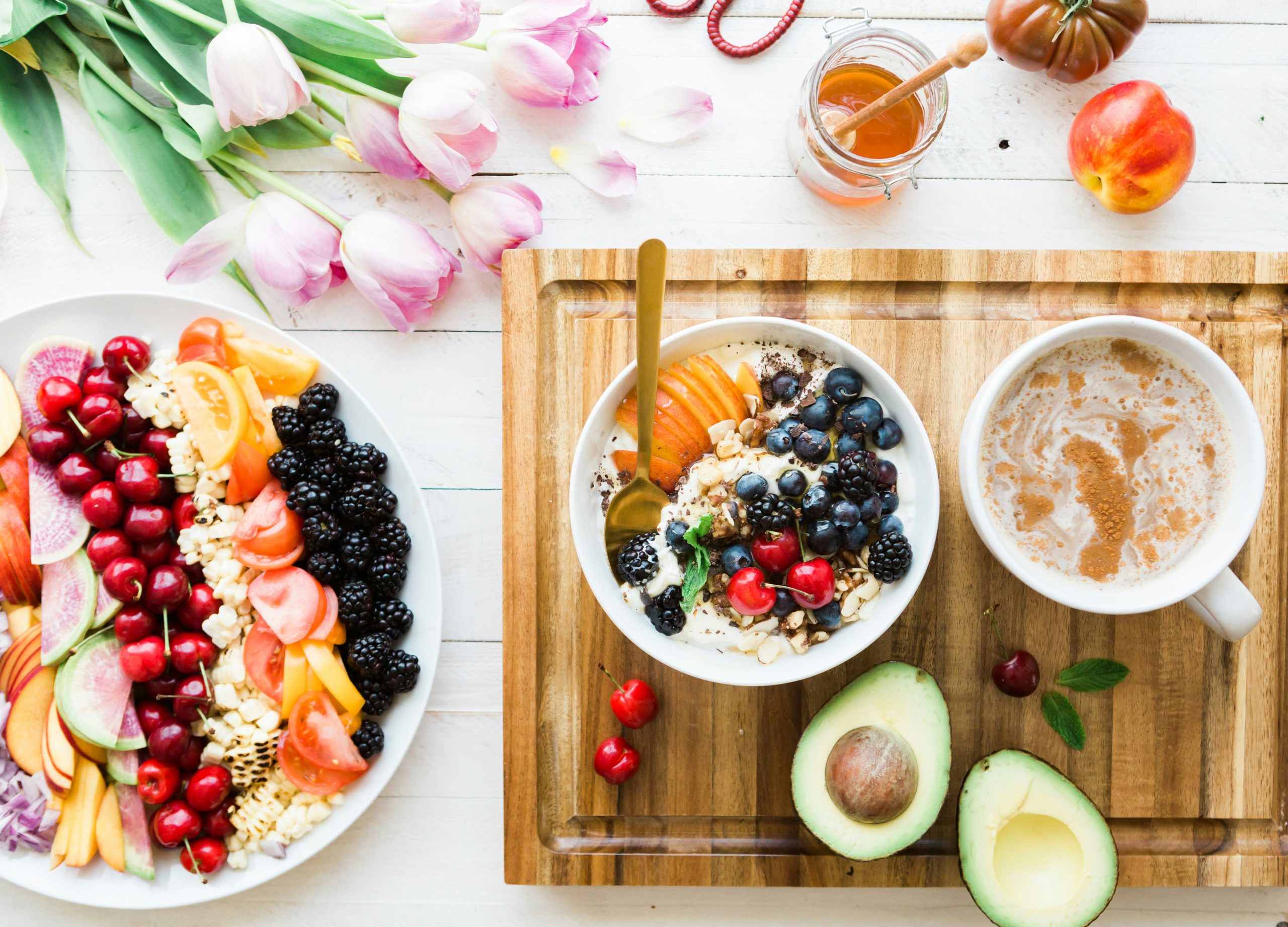
Introduction: Your immune system works around the clock to protect your body from viruses, bacteria, fungi, and other harmful pathogens. While no single food can prevent illness or “supercharge” your immune system overnight, a healthy, balanced diet provides the nutrients your immune system needs to function properly.
If you’re looking for natural ways to support your health, adding more immune-friendly foods to your meals is a smart place to start.
In this guide, you’ll discover 15 of the best foods that boost your immune system, the nutrients that make them beneficial, and simple ways to include them in your everyday diet.
What Is the Immune System?
The immune system is a complex network of organs, cells, tissues, and proteins that helps defend your body against infections and diseases. It identifies harmful invaders, fights them, and remembers many of them to provide faster protection in the future.
Good nutrition is one of the many factors that help your immune system perform at its best, along with adequate sleep, regular physical activity, stress management, and recommended vaccinations.
Can Foods Really Boost Your Immune System?
A common misconception is that certain foods can instantly strengthen your immune system. In reality, no food can prevent you from getting sick on its own.
Instead, nutrient-rich foods help support normal immune function by providing vitamins, minerals, antioxidants, healthy fats, fiber, and protein that immune cells need to work effectively.
1. Citrus Fruits
Examples include oranges, lemons, grapefruits, limes, and tangerines.
Citrus fruits are rich in vitamin C, an essential nutrient that supports immune cell function and helps protect cells from oxidative stress.
Easy ways to eat more:
- Add lemon to water.
- Snack on oranges.
- Blend citrus into smoothies.
- Add grapefruit to breakfast.
2. Red Bell Peppers
Many people don’t realize that red bell peppers contain even more vitamin C than oranges by weight. They also provide vitamin A and antioxidants that help maintain healthy skin, an important barrier against germs.
3. Garlic
Garlic has been used for centuries in traditional medicine. It contains sulfur compounds such as allicin, which have antimicrobial properties in laboratory studies.
Adding fresh garlic to soups, sauces, vegetables, and meats is an easy way to increase flavor and nutrition.
4. Ginger
Ginger is known for its anti-inflammatory and antioxidant compounds. It may help soothe sore throats, reduce nausea, and complement a healthy diet during cold and flu season.
Enjoy it fresh in tea, stir-fries, or smoothies.
5. Yogurt
Plain yogurt with live and active cultures provides probiotics—beneficial bacteria that support a healthy gut. Since a large portion of the immune system is associated with the gut, maintaining gut health is an important part of overall immunity.
Choose plain yogurt with minimal added sugar.
6. Spinach
Spinach is packed with vitamin C, beta-carotene, folate, iron, and antioxidants that support healthy immune function.
Light cooking can improve the absorption of some nutrients while preserving many of its health benefits.
7. Broccoli
Broccoli is one of the most nutrient-dense vegetables available. It provides vitamins C, A, E, fiber, and plant compounds that help protect cells from damage.
Steam it lightly to retain more nutrients.
8. Almonds
Vitamin E is another nutrient essential for immune health, and almonds are an excellent source. They also provide healthy fats and magnesium.
A small handful makes a nutritious snack.
9. Fatty Fish
Fish such as salmon, sardines, and mackerel provide omega-3 fatty acids and vitamin D, nutrients that help regulate normal immune responses.
Aim to include fatty fish in your meals one to two times per week.
10. Sunflower Seeds
Sunflower seeds are rich in vitamin E, selenium, and zinc—minerals involved in maintaining a healthy immune system.
Sprinkle them over salads, yogurt, or oatmeal.
11. Berries
Blueberries, strawberries, raspberries, and blackberries contain antioxidants called flavonoids and vitamin C, which help protect cells from oxidative damage.
They’re delicious in smoothies, cereals, or eaten fresh.
12. Green Tea
Green tea contains polyphenols and antioxidants that support overall health. It also provides L-theanine, an amino acid being studied for its role in immune function.
Replace sugary drinks with unsweetened green tea when possible.
13. Mushrooms
Mushrooms such as shiitake and oyster mushrooms contain nutrients including selenium, copper, and B vitamins that contribute to healthy immune function.
They can be added to soups, stir-fries, and omelets.
14. Sweet Potatoes
Sweet potatoes are rich in beta-carotene, which the body converts into vitamin A. Vitamin A supports healthy skin and mucous membranes, helping your body defend against germs.
Bake, roast, or mash them as a nutritious side dish.
15. Eggs
Eggs provide high-quality protein along with vitamins D, B12, selenium, and choline. Protein is especially important because immune cells rely on amino acids to grow and function.
They are affordable, versatile, and easy to include in a balanced diet.
Lifestyle Habits That Support Immunity
Healthy eating works best alongside other healthy habits:
- Sleep 7–9 hours each night.
- Stay physically active.
- Drink enough water.
- Manage stress through relaxation, exercise, or mindfulness.
- Avoid smoking.
- Limit alcohol intake.
- Maintain a healthy weight.
- Stay up to date with recommended vaccinations.
- Wash your hands regularly to reduce the spread of germs.
Common Myths About Immune-Boosting Foods
Myth: Vitamin C prevents all colds.
Fact: Vitamin C supports immune function, but it does not guarantee you won’t catch a cold.
Myth: Supplements are always better than food.
Fact: Most people benefit from getting nutrients through a balanced diet. Supplements should only be taken when recommended by a healthcare professional.
Myth: One “superfood” can keep you healthy.
Fact: Overall dietary patterns matter much more than any single food.
Frequently Asked Questions
What food boosts your immune system the fastest?
There is no food that boosts your immune system instantly. Regularly eating a balanced diet rich in fruits, vegetables, whole grains, lean protein, and healthy fats supports normal immune function over time.
Which fruit is best for immunity?
Citrus fruits, berries, kiwi, and papaya are excellent choices because they provide vitamin C and antioxidants.
Is garlic good for your immune system?
Garlic contains compounds that have shown antimicrobial activity in laboratory studies and can be part of a healthy diet that supports immune health.
Does yogurt help immunity?
Yes. Yogurt with live cultures supports gut health, which plays an important role in overall immune function.
What vitamins are most important for immunity?
Key nutrients include vitamins C, D, A, and E, along with zinc, selenium, iron, folate, and protein.
Conclusion
Supporting your immune system isn’t about finding a miracle food—it’s about building healthy habits that last. A varied diet rich in colorful fruits and vegetables, lean proteins, whole grains, nuts, seeds, and fermented foods provides your body with the nutrients it needs to function well.
Combined with regular exercise, quality sleep, hydration, stress management, and routine healthcare, these foods can help your immune system stay resilient and ready to do its job.
Medical Disclaimer: This article is for educational purposes only and should not replace professional medical advice. If you have a medical condition, dietary restrictions, or concerns about your immune health, consult a qualified healthcare professional.